How to Choose Staple Foods for Weight Loss: Calorie Logic and Suitable Scenarios for Five Low-Calorie High-Satiety Foods
The core of weight loss is creating a calorie deficit, but long-term low-carb or no-staple-food diets can lead to metabolic decline, muscle loss, and mood swings. A truly sustainable diet plan is not about avoiding staple foods, but choosing the right ones. This article reviews five types of staple foods suitable for fat loss from three dimensions: calorie density, dietary fiber content, and glycemic index, helping users establish a clear judgment framework.
Whole Grains: Not Low in Calories, but Long-Lasting Satiety
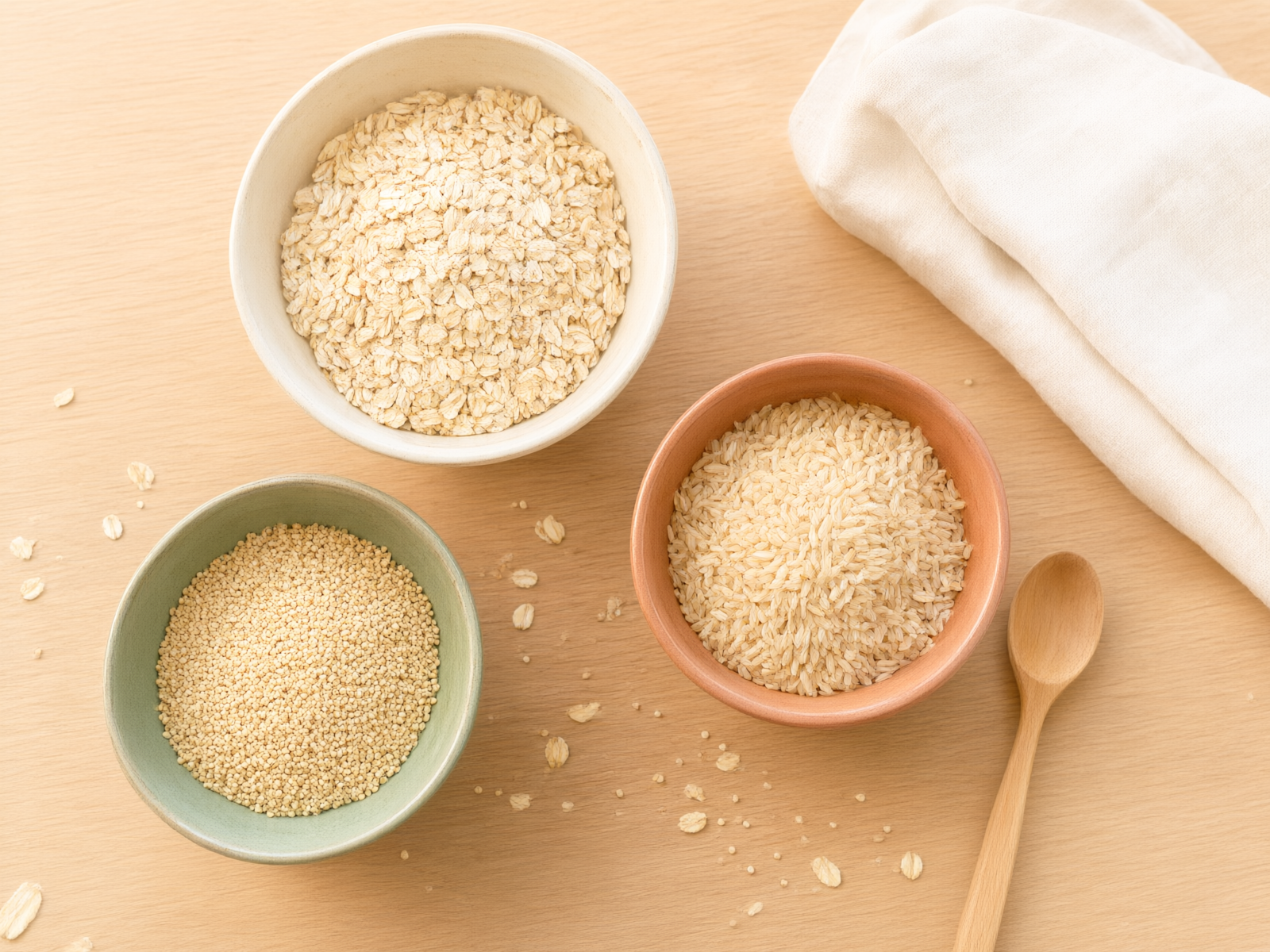
Oats, quinoa, and brown rice are staples on fat-loss meal plans. Take oats for example: every 100 grams of dry oatmeal contains approximately 370 kilocalories, comparable to white rice, but its advantage lies in dietary fiber content — about 10 grams per 100 grams, more than 6 times that of refined white rice. High fiber means slower gastric emptying and a more stable blood sugar curve, resulting in actually less food intake.
Quinoa stands out for its protein content, with approximately 14 grams of protein per 100 grams of dry weight, and its amino acid profile closely matches human needs. Brown rice retains the bran layer and germ, with significantly higher B-vitamin and mineral content than refined white rice. The common feature of whole grains is that they require more chewing and slower digestion, making them ideal for workday lunches that need to keep you full for extended periods.
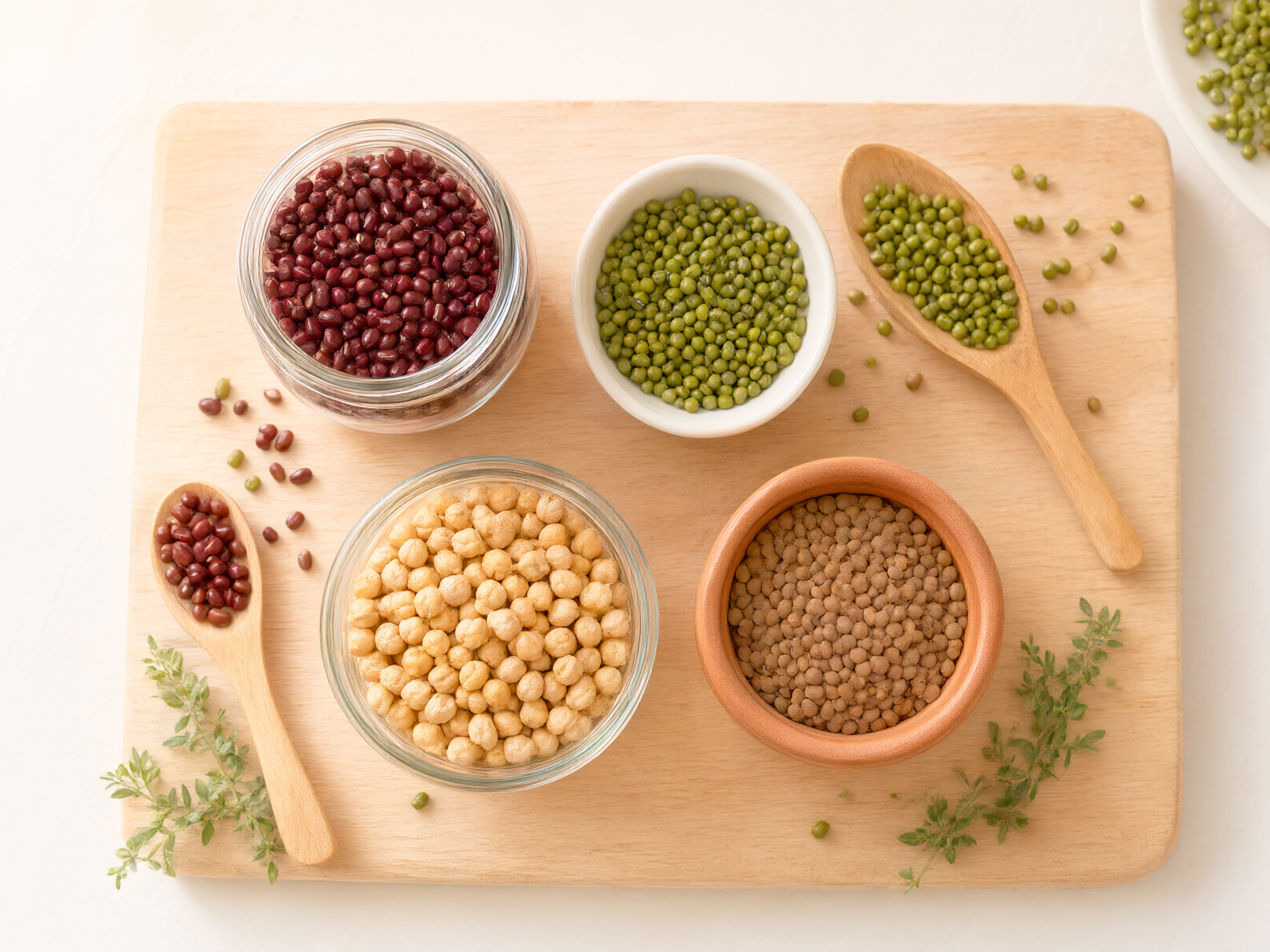
Legumes: Plant Protein Combined with Slow Carbs
Red beans, mung beans, chickpeas, and lentils are classified as legumes, with carbohydrate content of approximately 50%-60%, but glycemic index generally below 40, making them low GI foods. Legumes contain 20%-25% protein, far higher than grains, and combining them with grains achieves amino acid complementation.
Take chickpeas for example: every 100 grams of cooked chickpeas contains approximately 160 kilocalories, with 9 grams of protein and 8 grams of dietary fiber. Lentils are even lower in calories, at approximately 115 kilocalories per 100 grams cooked. The cooking method for legumes affects the final calorie count — boiling or steaming preserves nutrients without adding extra oil, making them suitable for batch preparation and refrigeration as a weekly staple food reserve.
Tubers: Large Volume, Low Calories, High Potassium
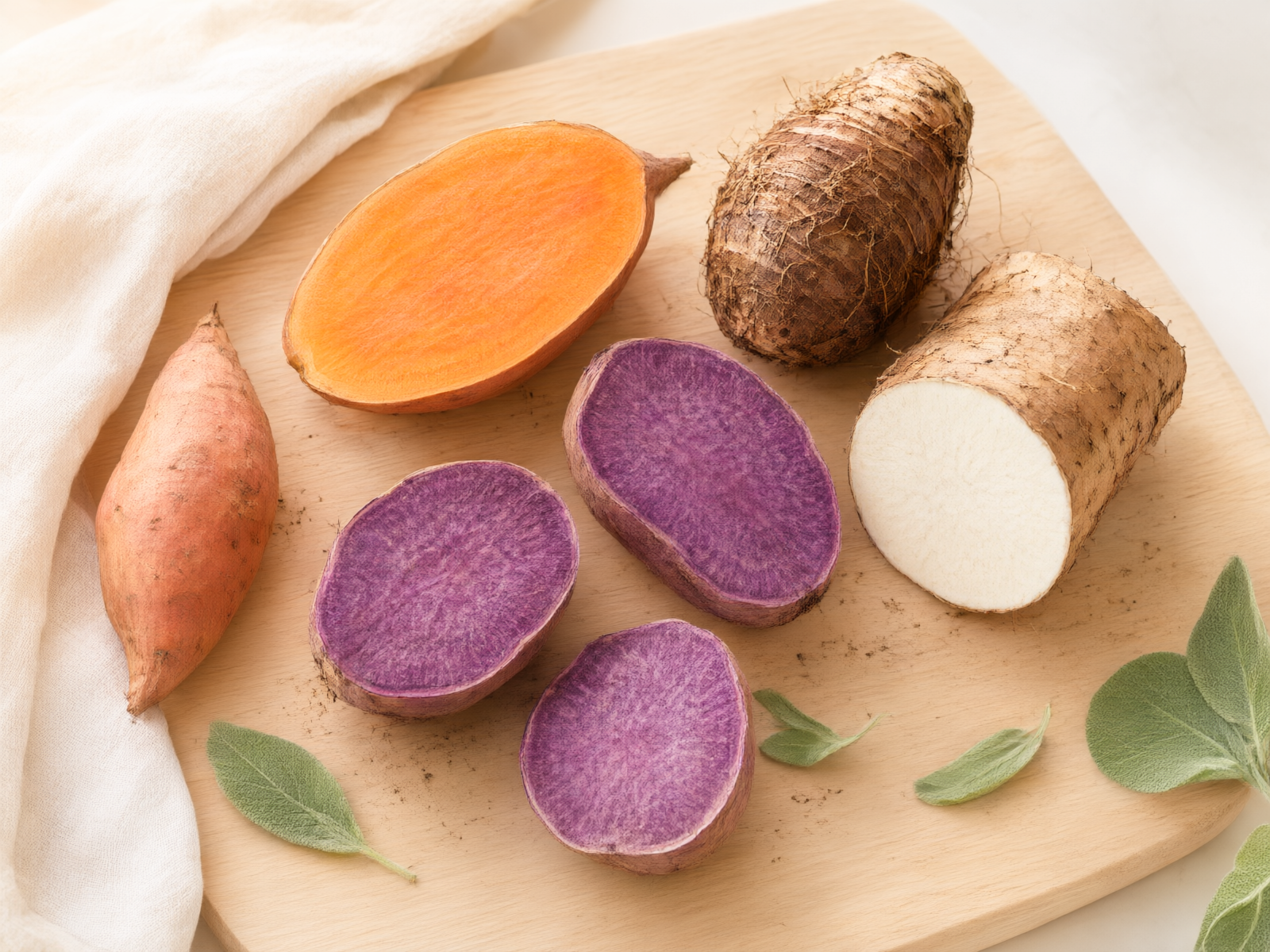
Sweet potatoes, purple potatoes, taro, and yam belong to the tuber category, with high water content and calories typically ranging from 70-100 kilocalories per 100 grams, only about one-third of grains of the same weight. Sweet potatoes are rich in beta-carotene, purple potatoes contain anthocyanins, and the mucilage protein in taro and yam has protective effects on the intestines.
Tubers rank among the top in satiety index among common foods. Studies show that boiled potatoes have a satiety index 3.2 times that of white bread. However, the cooking method for tubers needs attention — steaming has far fewer calories than roasting or frying. A medium-sized steamed sweet potato weighs about 200 grams with approximately 180 kilocalories, and paired with a protein source can constitute a meal.
Konjac Staple Foods: Near-Zero Calorie Filling Option
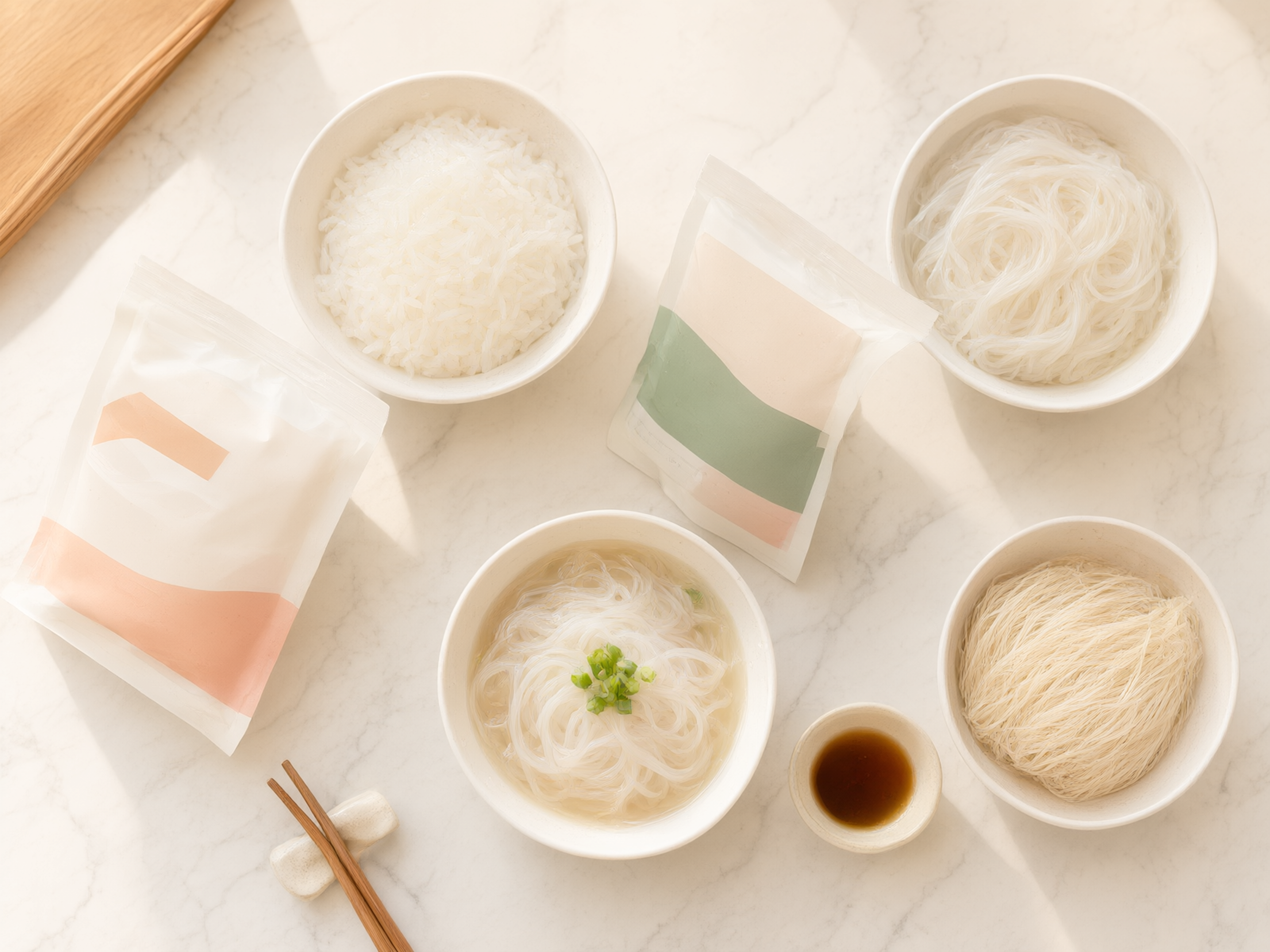
The konjac product series is the lowest-calorie option among fat-loss staple foods. The main component of konjac is glucomannan, a soluble dietary fiber that can expand 80-100 times its volume after absorbing water, forming a gel-like substance in the stomach that delays gastric emptying and produces satiety. Every 100 grams of konjac instant rice contains approximately 10-15 kilocalories, virtually negligible.
The core advantages of konjac instant rice, konjac instant shreds, konjac noodles and other konjac product series lie in three points: first, extremely low calories, suitable for stages of strict calorie control; second, zero sugar and high fiber, causing no blood sugar fluctuations, compatible with ketogenic diet plans; third, convenient to eat, ready after brewing, no cooking equipment needed. For scenarios requiring quick meal prep or business travel, the konjac product series provides more substantial satiety than salads or meal replacement powders.
It should be noted that konjac has relatively low nutritional density, and long-term exclusive consumption may lead to insufficient protein and trace element intake. It is recommended to use konjac products as a partial staple food replacement rather than completely replacing whole grains and legumes, combined with eggs, soy products, or lean meat to ensure nutritional balance.
Selection Logic: Matching Staple Foods to Scenarios
There is no absolute superiority in staple food choices during fat loss; the key is matching the usage scenario. Workday lunches requiring long-lasting satiety should prioritize whole grains and legumes; for dinner or light fasting days, the calorie advantages of tubers and konjac products are more apparent; for carb supplementation before and after exercise, the digestion speed of white rice or whole grains is more suitable.
Moli Kouliang, as a professional supplier of konjac health foods, provides konjac instant rice, konjac instant shreds, konjac noodles and other konjac product series, covering zero-sugar high-fiber categories, suitable for consumers with strict calorie control requirements. Products are manufactured at source factories with HACCP and FDA certifications, supporting OEM/ODM customization and cross-border export, meeting the bulk needs of supermarket channels, ketogenic food suppliers, and foreign trade purchasers.
The core of fat-loss diet is not deprivation, but replacement. Replacing high-calorie-density staple foods with low-calorie-density alternatives while maintaining satiety and reducing total calorie intake is a sustainable weight loss strategy.