Zero-Sugar High-Fiber Konjac Dry Rice as a Keto Meal Replacement: Satiety and Blood Sugar Response Compared to Common Staples
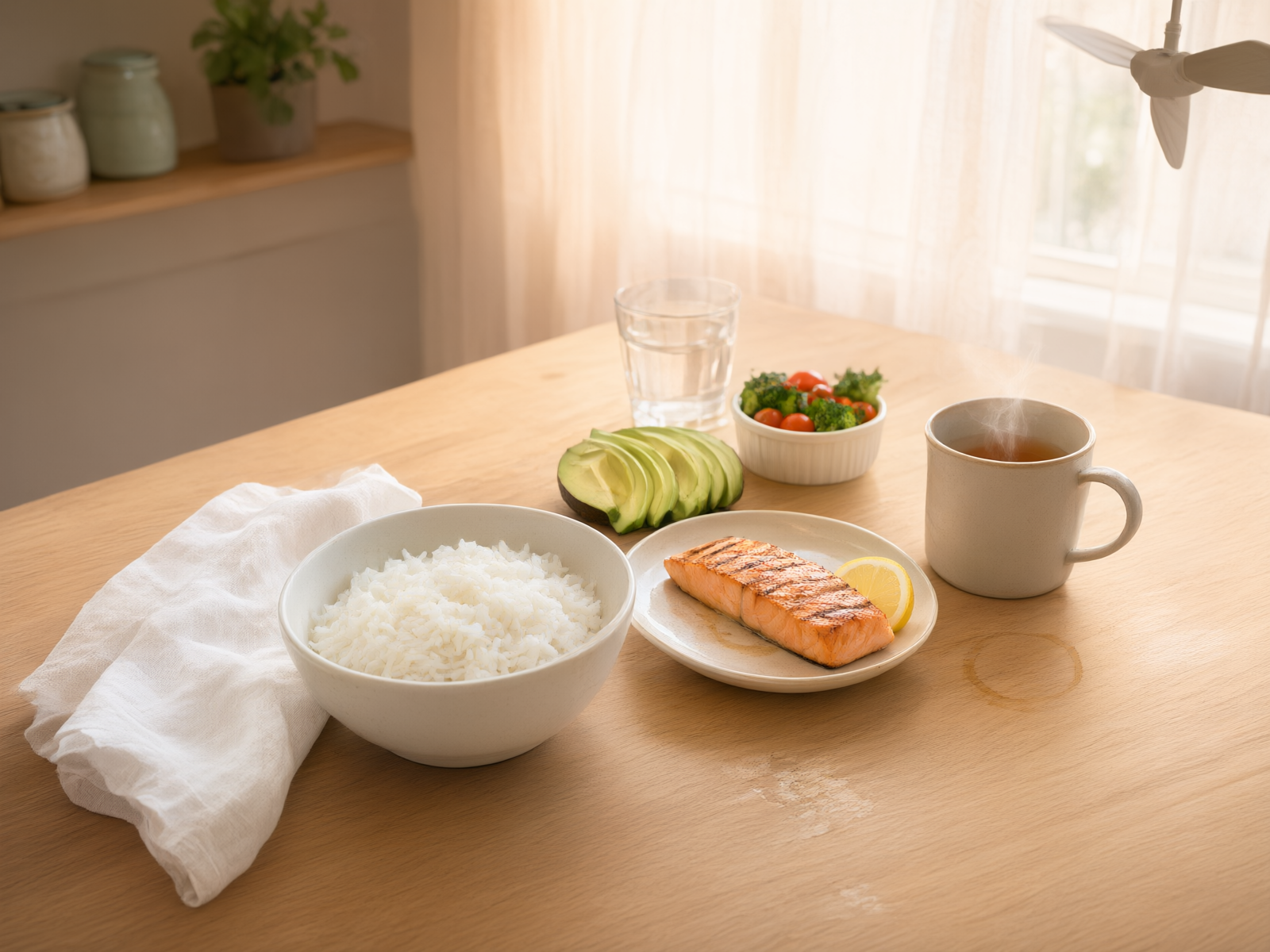
The core principle of the ketogenic diet is extremely low carbohydrate intake, typically requiring daily net carbs to stay within 20-50 grams. This restriction means traditional staples like white rice, noodles, and steamed buns are almost entirely off-limits. For those on a long-term keto plan, finding a staple substitute that keeps you full without spiking blood sugar is a key practical challenge.
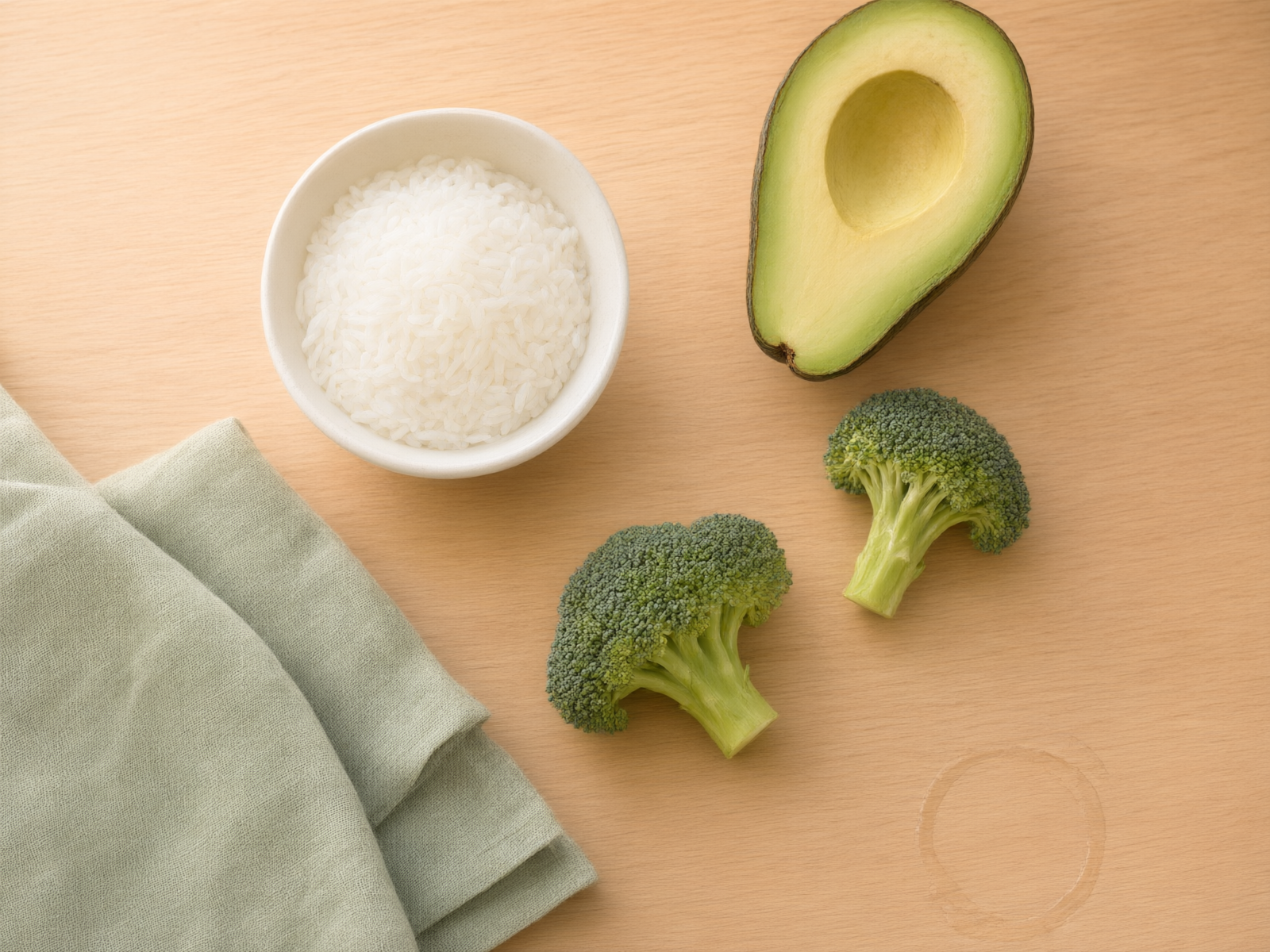
Nutritional Information for Konjac Dry Rice
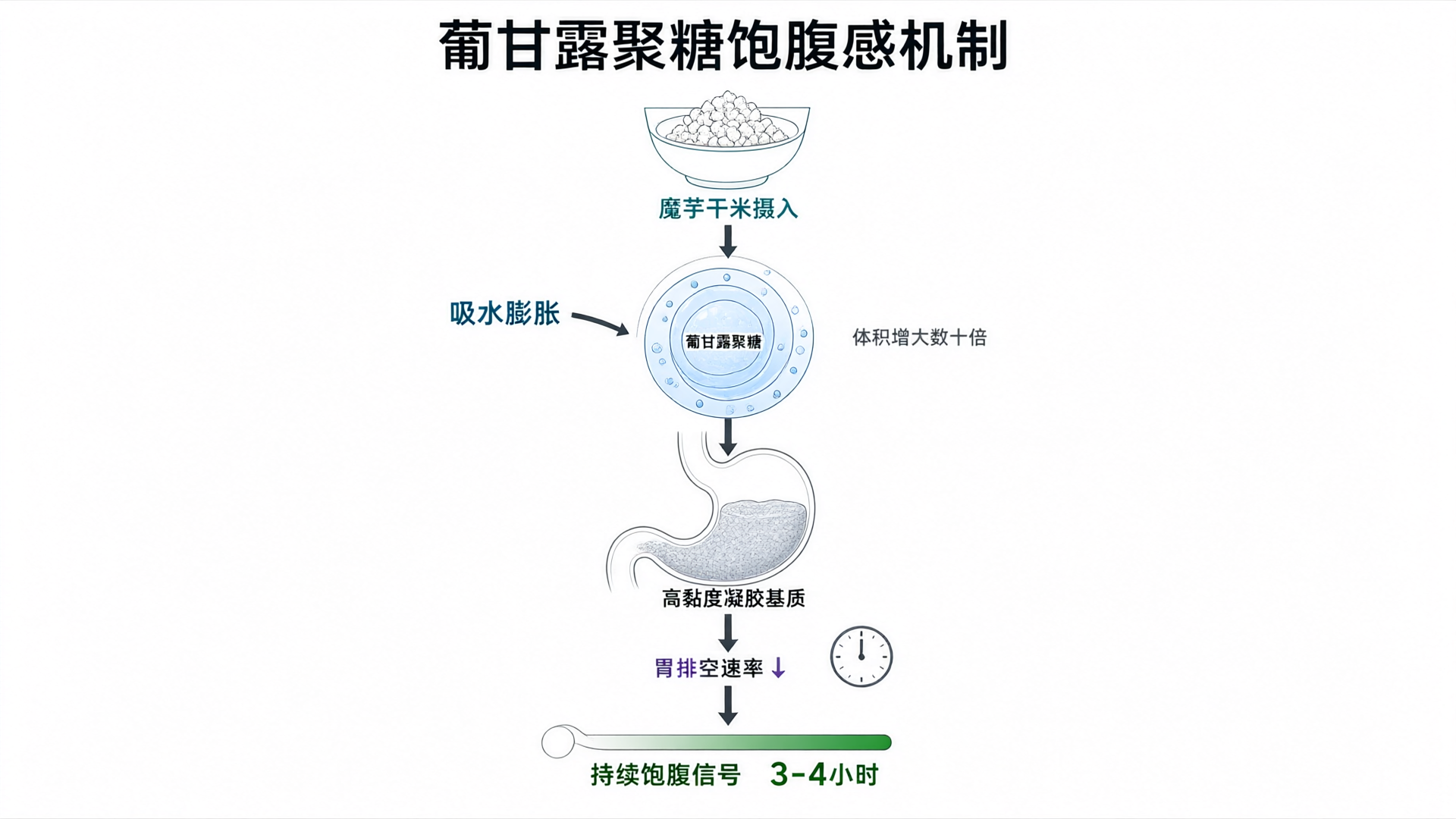
This dry rice is made primarily from konjac refined powder, with glucomannan as its key functional ingredient—a water-soluble dietary fiber. This polysaccharide absorbs and swells rapidly in the gastrointestinal tract, forming a high-viscosity gel that slows gastric emptying and delivers sustained satiety signals.
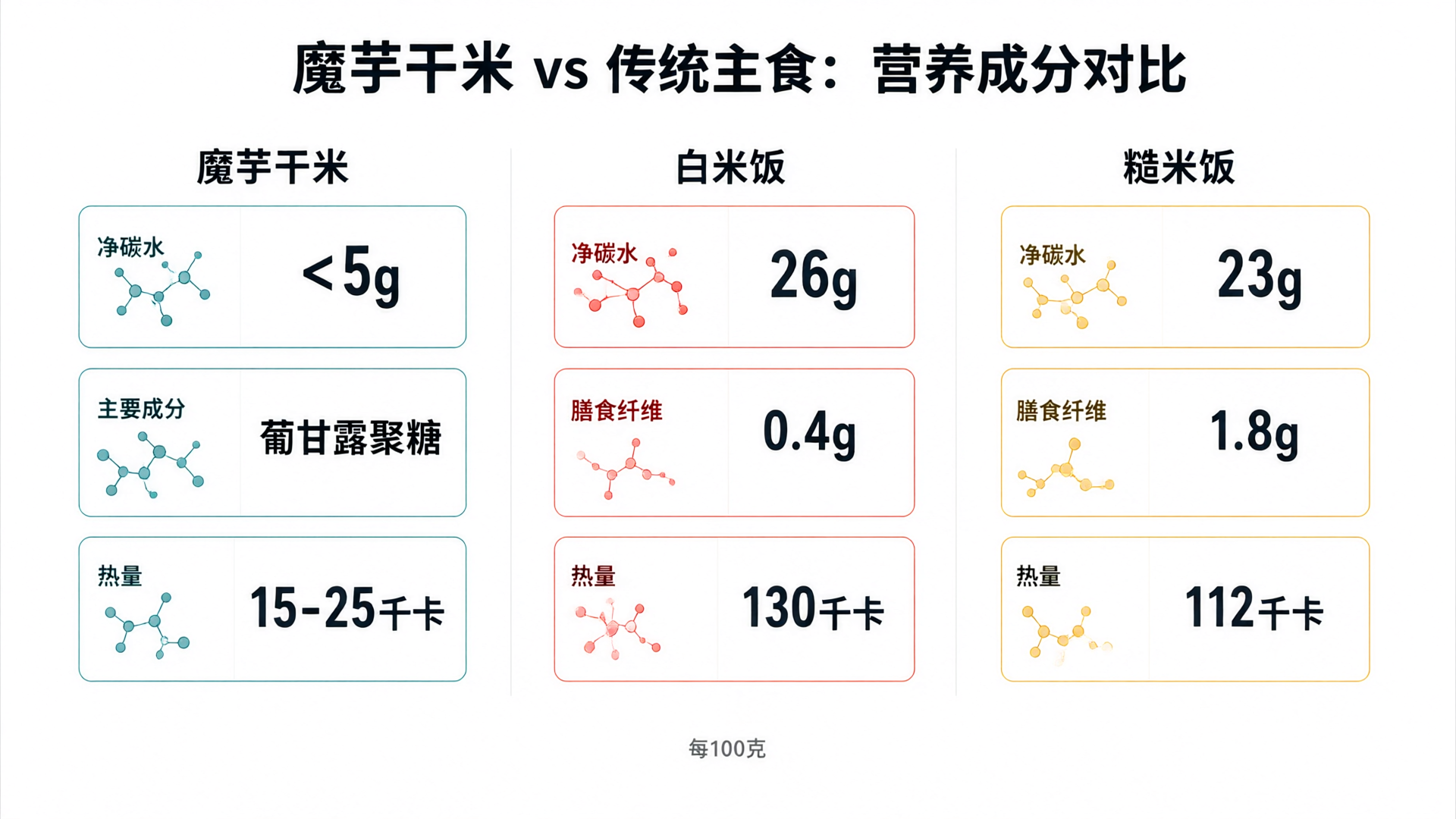
Our product development's nutritional data shows that zero-sugar, high-fiber konjac dry rice typically contains less than 5 grams of net carbs per 100 grams—mostly dietary fiber not digested or absorbed by the body. By comparison, the same amount of white rice has about 26 grams of carbohydrates, and brown rice about 23 grams. This order-of-magnitude difference drives the fundamental difference in blood sugar response between the two.

Satiety Performance: Comparison with Common Staples
Konjac dry rice differs mechanistically from refined grains in how it promotes satiety. High-GI foods like white rice digest quickly, causing blood sugar to spike and drop rapidly, with hunger returning about 2 hours after eating. In contrast, konjac dry rice works differently: glucomannan absorbs water and expands in the stomach, increasing its volume by tens of times to create physical fullness. Its high-viscosity gel also slows gastric emptying.
Actual eating experience shows that this dry rice keeps you full for 3–4 hours after a meal. It performs similarly to an equal-calorie portion of oatmeal but with far fewer carbs. For keto dieters who need to stay satiated between meals, this "delayed but sustained" fullness is practically valuable.
Blood Sugar Response: Konjac Dry Rice vs. Common Staples
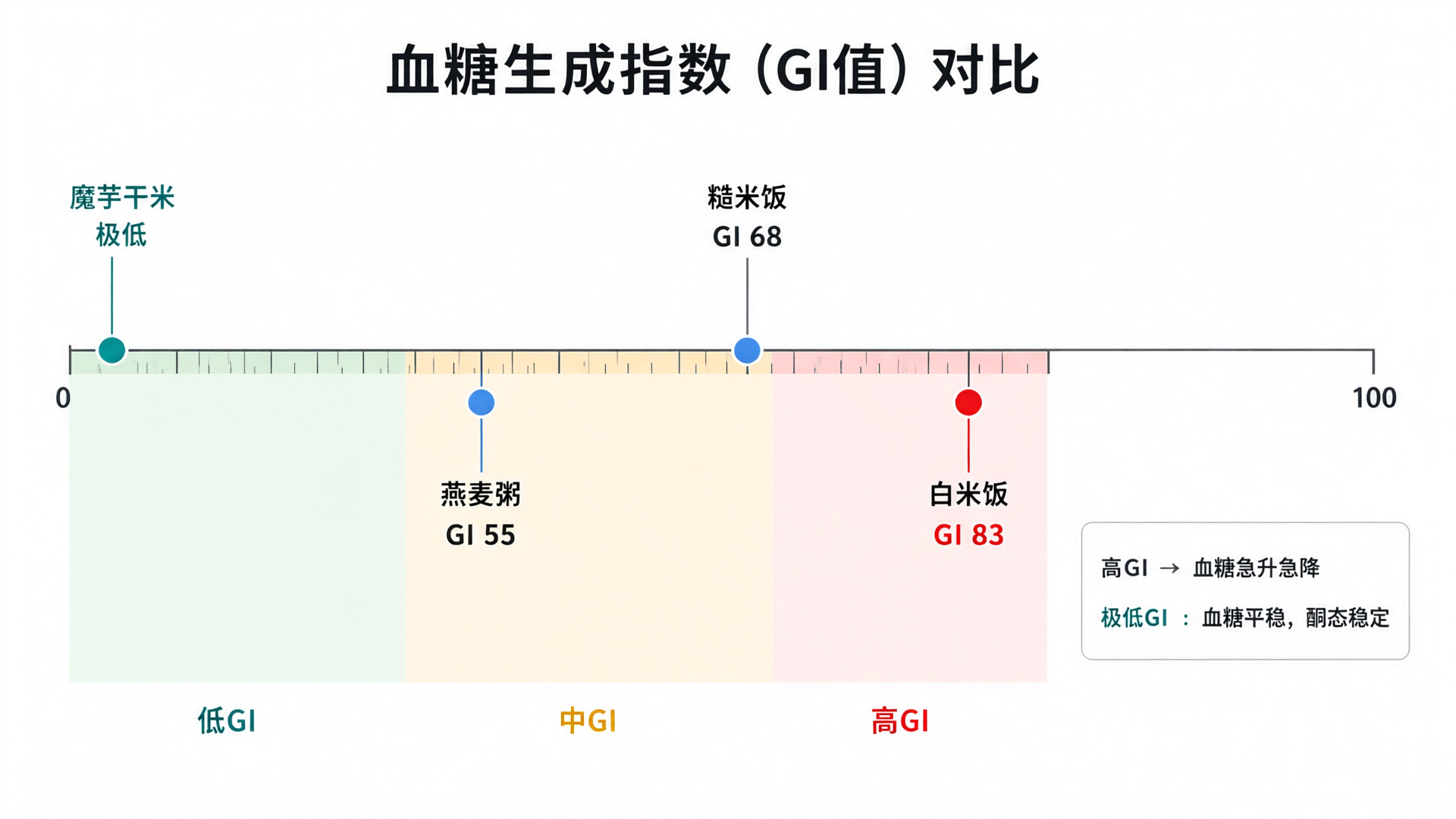
The glycemic index (GI) measures how much a food raises blood sugar. White rice has a GI of about 83 (high), brown rice about 68 (medium), and oatmeal about 55 (medium-low).
Konjac dry rice has an extremely low glycemic index (GI). Glucomannan triggers virtually no blood sugar response and is classified as having an extremely low GI in international nutrition databases. Compared to traditional staples, it causes significantly smaller post-meal blood sugar spikes—ideal for keto dieters who need strict carb control to maintain ketosis.
When eaten with carbohydrate-containing foods, konjac dry rice can help lower the overall glycemic load of the meal. The glucomannan gel matrix surrounds some starch granules, slowing their interaction with digestive enzymes in the small intestine and reducing the meal's overall glycemic response. This makes it suitable not only as a standalone meal replacement but also as a carbohydrate buffer in mixed diets.
Suitability Assessment for Keto Meal Replacement
From a macronutrient ratio perspective, the calories in zero-sugar, high-fiber konjac dry rice primarily come from short-chain fatty acids produced by dietary fiber fermentation in the gut. After preparation, each 100 grams of dry rice provides approximately 15-25 kcal—significantly lower than white rice, which contains about 130 kcal per 100g (cooked weight). This low caloric density offers clear advantages for calorie control.
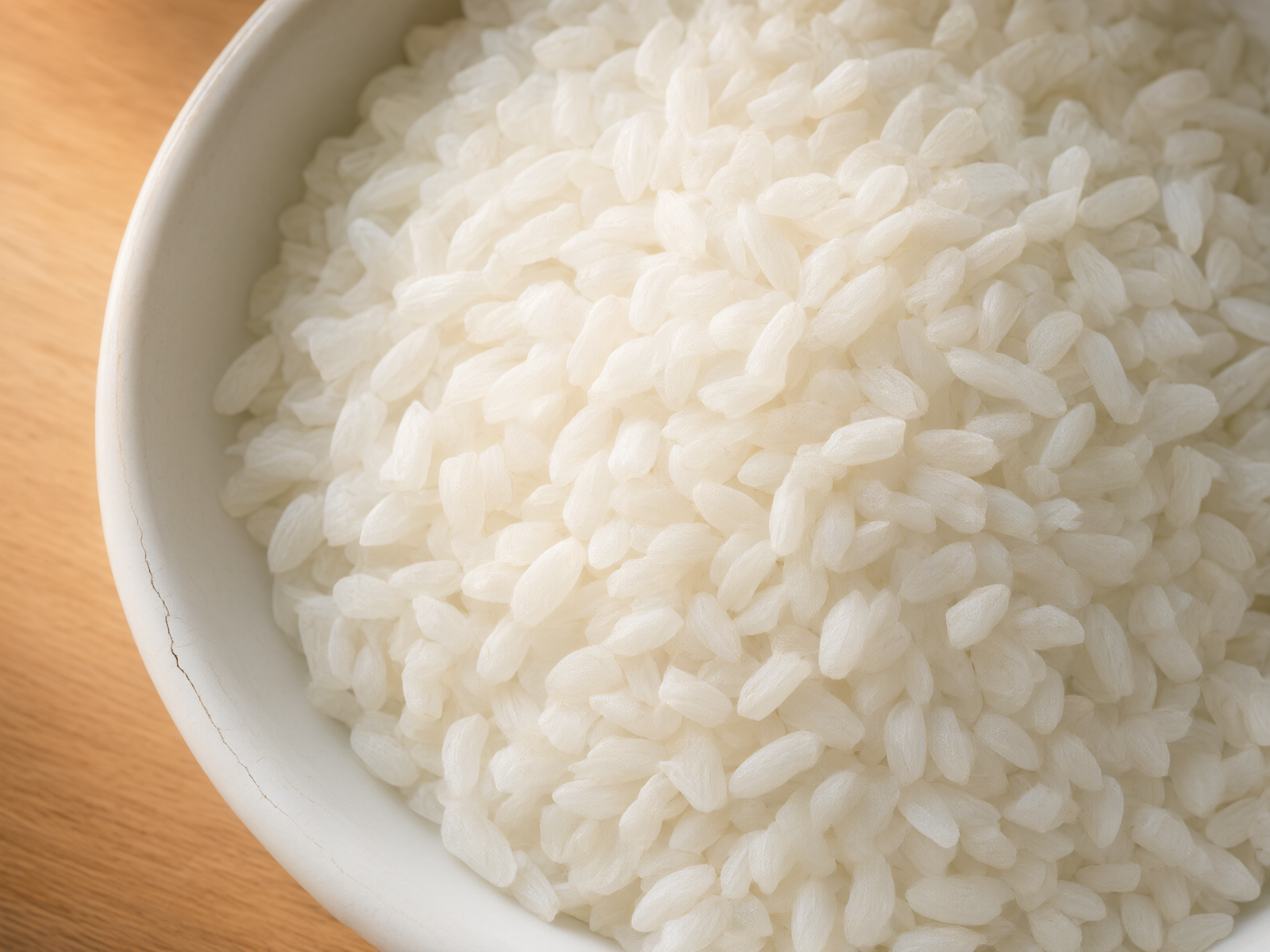
After adding hot water, the dry rice regains a grain-like texture and chewiness similar to real rice, making it an excellent match for any dish. For those transitioning from a regular diet to keto, this realistic mouthfeel helps improve adherence to their meal plan.
Konjac dry rice contains virtually no protein or fat. As a meal replacement, it must be paired with quality protein sources (such as meat, eggs, and oils) to meet the macronutrient requirements of a ketogenic diet. It is best used as a "carbohydrate substitute" within a complete meal rather than as a standalone source of nutrition.
Conclusion
Zero-sugar, high-fiber konjac dry rice outperforms traditional staples in both satiety duration and blood sugar stability. Its effectiveness stems from glucomannan's physicochemical properties: high water absorption and expansion, strong gel-forming viscosity, and resistance to small intestinal enzymes. For those following a ketogenic diet, replacing staple foods with konjac dry rice helps maintain sustained fullness without significantly increasing carbohydrate intake, making it a practical dietary option.